Skip to content
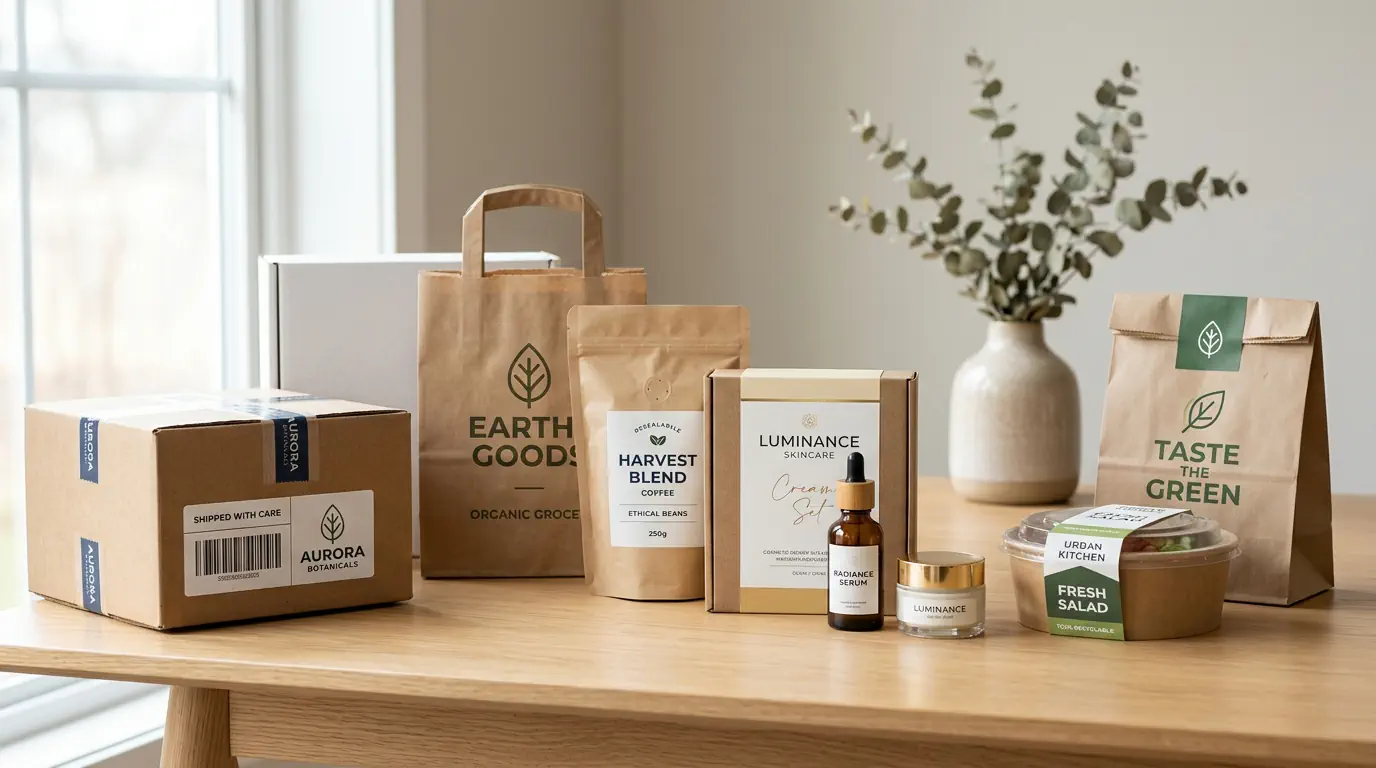
Packaging is something we see every day, but many people don’t fully understand its role in business. Whether you are selling food, cosmetics, or retail products, packaging is a key part of how your product is protected, presented, and delivered.
In this guide, you will learn what packaging is, why it matters, the different types, materials, and how it helps businesses grow.
What Is Packaging? (Simple Explanation)
Packaging is the process of designing and creating a container, wrapper, or box used to protect, store, transport, and present a product.
In simple words, packaging is what holds your product and keeps it safe until it reaches the customer.
For example:
-
A box for a burger
-
A wrapper for soap
-
A carton used for shipping
Packaging is not only about protection. It also helps customers recognize your brand, understand your product, and decide whether to buy it.
Why Packaging Is Important
Packaging plays a bigger role than most people think. It is not just a box—it is a combination of protection, branding, and communication.
Product Protection
One of the main purposes of packaging is to protect the product from damage, moisture, dust, and contamination. Without proper packaging, products can easily break or spoil during storage or shipping.
Branding and Identity
Packaging helps businesses show their brand identity. Colors, logos, typography, and design all work together to create a strong visual impression.
Marketing and Sales
Attractive packaging can influence customer buying decisions. A well-designed package can grab attention and make your product stand out on shelves or online stores.
Customer Experience
Good packaging improves the unboxing experience. This is especially important in e-commerce, where packaging is the first physical interaction a customer has with your brand.
Types of Packaging
Packaging is generally divided into three main levels. Each level has a specific role in protecting and handling the product.
Primary Packaging
Primary packaging is the first layer that comes into direct contact with the product. It keeps the product safe and usable.
Examples include:
-
Food containers
-
Bottles
-
Wrappers
Secondary Packaging
Secondary packaging is the outer layer that groups products together and provides additional protection.
Examples include:
-
Product boxes
-
Cartons
This type of packaging is often used to improve product presentation and branding.
Tertiary Packaging
Tertiary packaging is used for bulk handling, storage, and shipping.
Examples include:
-
Corrugated boxes
-
Pallets
-
Shipping containers
This level focuses more on logistics and transportation rather than appearance.
Common Packaging Materials
Different materials are used depending on the product type, durability needs, and budget.
Paperboard
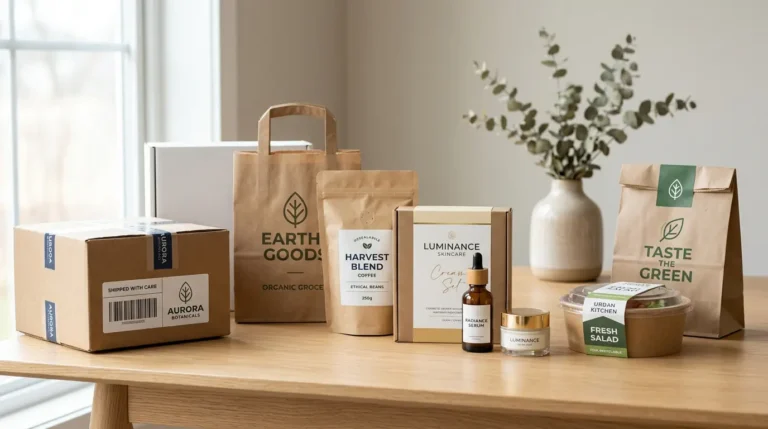
Paperboard is lightweight and commonly used for retail packaging. It is easy to print on, making it ideal for branded packaging.
Kraft Paper
Kraft paper is strong and eco-friendly. It is widely used by businesses looking for sustainable packaging solutions.
Corrugated Cardboard
Corrugated material is thick and durable, making it perfect for shipping and protecting heavy or fragile items.
Plastic and Flexible Packaging
Plastic packaging is used for products that need moisture protection or airtight sealing, such as food items and liquids.
Eco-Friendly Materials
Many businesses are now switching to biodegradable and recyclable materials to reduce environmental impact and meet customer expectations.
Packaging vs Packing: What’s the Difference?
Many people confuse packaging with packing, but they are not the same.
-
Packaging focuses on designing and creating the product container
-
Packing focuses on preparing products for shipping and transportation
For example, placing a product inside a branded box is packaging, while placing multiple boxes into a shipping carton is packing.
Role of Packaging in E-commerce
Packaging is especially important in online businesses.
Safe Delivery
Products must travel long distances, so packaging must be strong enough to prevent damage.
Brand Experience
In e-commerce, customers do not see the product before buying. Packaging becomes a key part of the brand experience.
Customer Satisfaction
Well-designed packaging creates a positive impression and increases the chances of repeat purchases.
Sustainable Packaging Trends
Sustainability is becoming a major focus in the packaging industry.
Key Trends Include:
-
Use of recyclable materials
-
Reduction of plastic waste
-
Minimal packaging designs
-
Biodegradable alternatives
Customers today prefer brands that care about the environment, making sustainable packaging an important business strategy.
Real-Life Examples of Packaging
Packaging varies depending on the industry.
Food Packaging
Food packaging must ensure hygiene and freshness. It also needs to be safe for direct contact with food.
Cosmetic Packaging
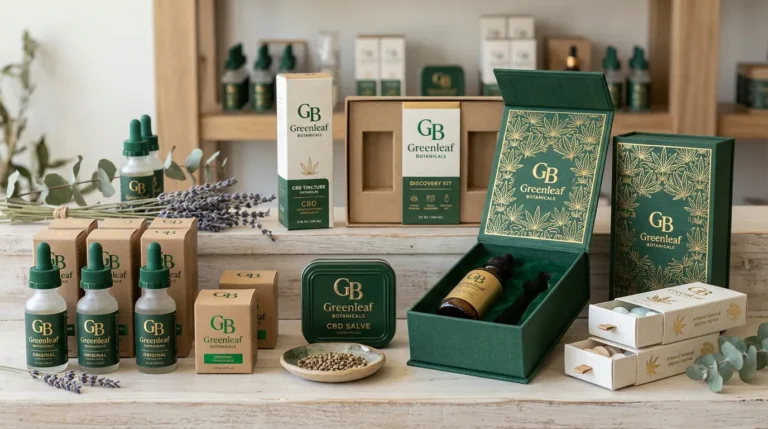
Cosmetic packaging focuses on both protection and visual appeal. It often uses high-quality materials and attractive designs.
Retail Packaging
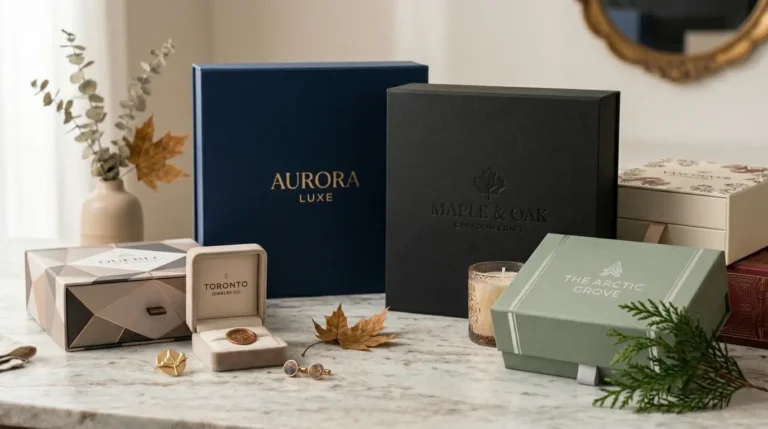
Retail packaging is designed to attract customers and communicate product value. It plays a major role in branding and marketing.
How to Choose the Right Packaging
Choosing the right packaging depends on several factors.
Product Type
Fragile, liquid, or perishable products require different packaging solutions.
Size and Dimensions
Packaging should fit the product properly to avoid damage and reduce shipping costs.
Budget
Businesses must balance cost and quality when selecting packaging materials.
Branding Needs
Packaging should reflect your brand identity and target audience.
The Future of Packaging
The packaging industry is constantly evolving with new technologies and trends.
Emerging Developments:
-
Smart packaging with tracking features
-
Personalized packaging designs
-
Increased use of sustainable materials
These innovations are shaping how businesses package and deliver their products.
Conclusion
Packaging is more than just a container. It protects products, builds brand identity, and improves customer experience.
Whether you run a small business or a large e-commerce store, understanding packaging can help you make better decisions and grow your brand.
FAQs
What is packaging in simple words?
Packaging is a container or wrapping used to protect and present a product.
What are the main types of packaging?
The three main types are primary, secondary, and tertiary packaging.
Why is packaging important for businesses?
It protects products, improves branding, and enhances customer experience.
What materials are used in packaging?
Common materials include paperboard, kraft paper, corrugated cardboard, and plastic.